Mail Me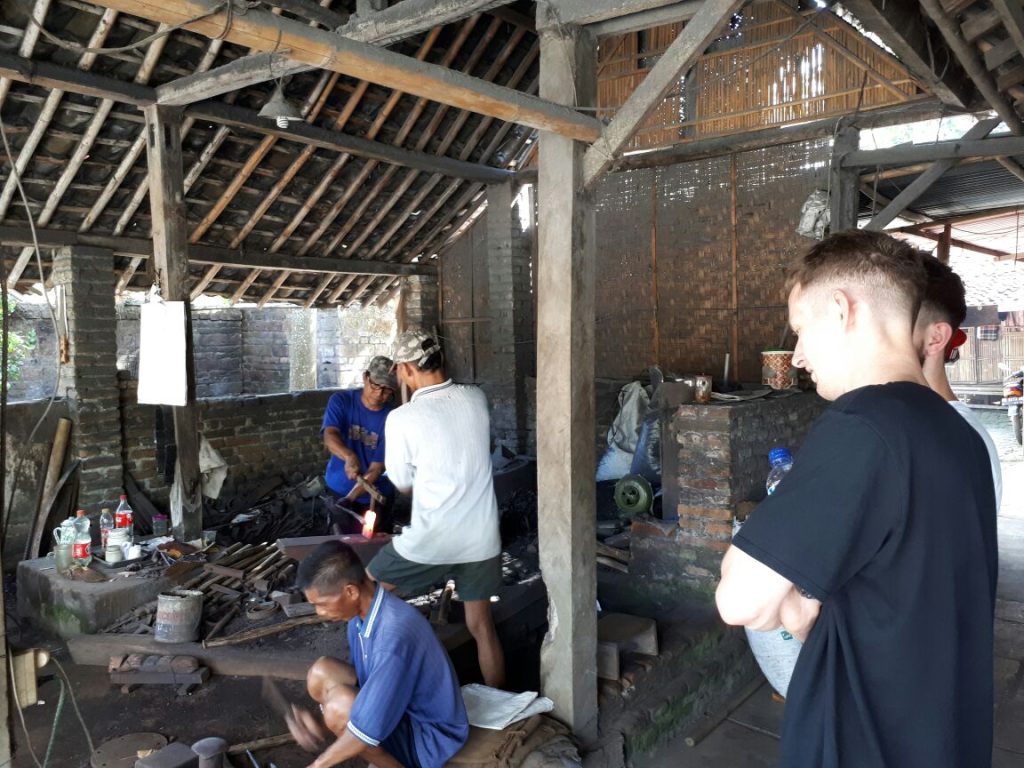
The blacksmith, a figure as ancient as civilization it self, has played a role in shaping human history. Armed with nothing more then a hammer, anvil and fire. These skill artisan have forget the tools, weapon, and everyday objects that have defined culture for millennia. The blacksmith craft is deeply rooted in tradition. From the early days of human civilization, when metalworking was first discovered. The blacksmith have been essential to the development of societies. They created the tools needed for agriculture, construction, and warfare. In many cultures, the blacksmith was revered as a powerful figure, often associated with magic and the supernatural.
The Blacksmith Process.
The blacksmith process involves heating metal to a high temperature. Shaping it with various tools, and then cooling it to harden it. This process requires a combination of strength, skill, and an intimate knowledge of the properties of different metals. Traditionally, blacksmiths used charcoal-fueled forges to heat the metal. But modern blacksmiths may also use gas or electric forges.
Key steps in the blacksmith process include.
Heating : The metal is heated to a malleable state in a forge. The process involves raising the temperature of the iron to a specific point where it becomes malleable, allowing the blacksmith to bend, shape, and join pieces together using various tools.
Shaping : The heated metal is shaped using hammers, anvils, and other tools.
Cooling : The shaped metal is cooled rapidly to harden it. In blacksmithing, cooling is the process of lowering the temperature of heated metal to a desired level. Often to make it easier to work with or to achieve specific properties
Finishing : The finished product is often tempered or hardened further to improve its properties.
The Blacksmith’s Tools
The blacksmith workshop is filled with a variety of specialized tools, each designed for a specific purpose. Some of the most common tools include:
Anvil : A heavy block of metal on which the blacksmith shapes the metal. The hardy hole is a square or rectangular hole that accepts various tools, such as punches and chisels.
Hammer : Used to strike the metal and shape it. It has a heavy head and long handle. The blacksmith employ a diverse array of hammers, each crafted with a specific purpose in mind. These tools, characterized by their substantial heads and elongated handles, are instrumental in manipulating heated metal on a sturdy anvil.
Tongs : Tongs are specialized tools used by blacksmiths to manipulate heated metal. These tongs are designed to grip and hold hot metal securely, allowing the blacksmithS to shape and form the metal into various objects.
Forge : A furnace used to heat the metal. Forging typically involves heating a piece of metal to a high temperature, making it malleable, and then shaping it using various tools, such as hammers, anvils, and tongs
Hacksaw : Used to cut metal.
File : Used to smooth and shape metal.
The Blacksmith Today
While the blacksmith role in modern society has changed, the craft continues to be practiced by enthusiasts and artisans around the world. The blacksmith today create a wide range of products, from custom knives and tools to decorative ironwork and sculptures. The resurgence of interest in traditional crafts has led to a renewed appreciation for the blacksmith skill and artistry.